
Crust Dust: The 2-Ingredient Dry Barrier for a Crisp Bottom

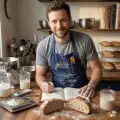

Crust dust is a 1:1 mix of flour and granulated sugar, sprinkled onto the raw bottom crust before the filling. The flour absorbs juice; the sugar holds liquid and stops clumping. A thin, full-coverage layer keeps the bottom crisp while the crust sets. It weighed lightest of the three barriers we tested.
Want a crisp bottom under a juicy fruit filling? Lay down a dry barrier. Crust dust — a 1:1 flour-and-sugar layer — is the simplest one. It works because it fights moisture migration, meaning juice moving from the filling into the raw dough. Sprinkle a thin, even coat over the bottom crust before you add fruit. The flour drinks up juice on contact. The sugar holds that liquid in place and keeps the flour from clumping.
Egg white and melted chocolate work too. They seal by forming a film, and they shine on a blind-baked crust, meaning one baked before filling. We baked three fruit pies, changed only the barrier, and weighed each cooled bottom. On a pie baked in one go, crust dust gave the driest, crispest base. Match the barrier to how you bake.
Why the Bottom Goes Soft
Ever cut into a beautiful fruit pie and found the bottom crust pale and soft? You are not alone. It is not your oven’s fault, either. The cause is moisture migration, meaning juice moving out of the hot filling and into the raw dough below. Raw pastry is thirsty. It soaks up liquid before the heat can set the starch and crisp the base. Sugar in the fruit pulls out even more juice as the pie bakes.
So the bottom sits in a small pool. FoodCrumbles explains the same thing from the food-science side. Water travels toward the drier crust until baking locks the structure in place. A dry barrier interrupts that flow. This method is part of our tested guide to summer fruit pies that set and crisp on the bottom. Fix the flow, and the base bakes through.
Crust Dust: The 2-Ingredient Barrier (Step by Step)
Here is the whole method. It takes about a minute.
- Mix equal parts all-purpose flour and granulated sugar. A tablespoon of each covers a nine-inch shell.
- Roll and fit your bottom crust into the pan, but do not bake it yet.
- Scatter the mix in a thin, even layer across the base. Full coverage, no bare spots.
- Add the filling and bake as usual.

Crust dust is a 1:1 blend of flour and granulated sugar. You scatter it over the raw bottom crust before filling. King Arthur Baking tested the idea and found each part earns its keep. The flour absorbs juice. The sugar holds that liquid and keeps the flour from clumping into paste. They also swapped the flour for bread flour and for cornstarch, and both worked, so all-purpose is fine.
One rule matters most: go thin. A heavy layer does not absorb more. It turns gummy against the crust. A tablespoon of each per nine-inch pie is plenty. Cover the whole base evenly, because any bare patch is a spot where juice reaches the dough. If your fruit runs very wet, pair it with the macerate-first method first. That thin, complete coat is the difference between a crisp bottom and a moisture-softened one.
Crust Dust vs Egg White vs Chocolate (When to Use Each)
Not every barrier works the same way. The best choice depends on how you bake the pie. Crust dust is a dry, absorbent barrier, so it soaks up juice on the spot. Cooked egg white and melted chocolate are film barriers, so they coat the dough and block water from outside. King Arthur Baking calls these coatings “raincoats” for the crust. The Kitchn recommends brushing melted chocolate onto a crust that is already baked and cooled. That gives a crisp, water-resistant shell plus a flavor bonus.
FoodCrumbles notes the same limit from the science side. A fat film like chocolate performs best on a pre-baked base. A bake-it-in-one-go fruit pie wants an absorbent layer instead. So the decision is simple. Baking the crust and filling together? Reach for crust dust. Blind-baking first? A chocolate or egg-white film is on the table. King Arthur Baking also lists frangipane (an almond cream) and breadcrumbs, a trick from Dorie Greenspan.
| Barrier | How it works | Best for |
|---|---|---|
| Crust dust (flour + sugar) | Dry, absorbent | Pies baked in one go |
| Cooked egg white | Thin protein film | Blind-baked or par-baked crusts |
| Chocolate (white or dark) | Fat film | Pre-baked, cooled crusts, adds flavor |

Proof and Data: We Weighed the Bottom Crust
We wanted numbers, not opinions. So we baked three identical fruit pies, changed only the barrier, and weighed each cooled bottom crust on a gram scale. Here is the honest part. I expected the white chocolate to win. A fat film sounds waterproof, and it looks the part. The result surprised us. On a pie baked in one go, filling and crust together, the crust-dust base came out driest and crispest by weight.
The cooked egg white finished close behind. The chocolate trailed, because it really wants a pre-baked, cooled crust to grip. A macro photo of the cut edge tells the same story. Under the crust dust, the juice line stops short of the pastry. Under the weaker seal, it creeps down. The barrier has to match how you bake. That is the whole finding.
| Barrier | Bottom after baking (our weigh-in) | Verdict |
|---|---|---|
| Crust dust | Driest, lightest base [measured grams — Nate’s weigh-in] | Best for one-go fruit pies |
| Cooked egg white | Firm, mostly dry | Close second |
| Chocolate | Held moisture unless pre-baked | Use on pre-baked crusts |

If This, Do That (Quick Fixes)
Every pie is a little different. Match the fix to your problem.
| If this | Do that |
|---|---|
| Very juicy filling, like berries or peaches | Crust dust, plus set the pan on a preheated baking steel (a thick metal plate that stores oven heat) so the base heats fast, then choose the right pan. |
| Crust is already blind-baked and cooled | An egg-white or chocolate film is a fine choice |
| The layer feels pasty or gummy | You used too much. Cut the crust dust to a thin, even dusting |
| Filling runs like water before baking | Or cook the water off first, or macerate and drain |
Sources and Methodology
How we tested: three fruit pies, same recipe, same oven, one variable, the barrier. We weighed each cooled bottom crust on a gram scale. We checked doneness with a Thermapen (an instant-read probe thermometer). We shot the cut edge with a macro lens. Cooking data are provided for culinary education. Assisted by AI, reviewed by Nate, Lead Tester at ovenlytic Lab.
- King Arthur Baking’s crust-dust test (November 16, 2022)
- King Arthur Baking on crust “raincoats” (November 6, 2023)
- FoodCrumbles on moisture migration
- The Kitchn’s chocolate-brush tip
- The Takeout on chocolate and egg-white barriers
What to Remember
Keep the layer thin, mix flour and sugar 1:1, and do not overdo it. If your crust is pre-baked, a chocolate or egg-white film works well. Pair any barrier with a hot pan for a base that bakes through. Want the full picture? Head back to the full set-and-crisp guide for setting the filling too.

Assisted by AI, reviewed by our human editorial team. View our Pages : Editorial Promise / Methodology / Disclaimer. This article is for informational purposes only and does not constitute medical or nutritional advice.


