
Traditional recipe sites assume your oven is perfectly calibrated, your kitchen is constantly at 70°F, and your flour has a standard hydration rate. We assume the reality of a home kitchen.
At The Baking & Cooking Science Lab, we believe a technique is only reliable if you understand the scientific why behind it.
This “Empirical Testing” protocol is overseen by our Culinary SME Board (led by Nouhayla Azoumag, HACCP Certified) to ensure scientific accuracy and proper food handling standards.
Our 8-Step “Proof Over Prose” Pipeline
1. We Start with the “Unexpected Result”
Example: “Why did my sourdough turn out dense?” or “How does ambient humidity affect my macaron shells?”
2. SGE-First & Cognitive Blueprinting
3. Scientific Sourcing (The Chemistry Filter)
4. AI-Assisted, Human-Directed
5. The Controlled Lab Test
- The Temperature Audit: We track internal thermal dynamics using calibrated probes, not just oven dials.
- The Substitution Protocol: We purposefully test alternative ingredients (e.g., butter vs. oil, varying hydration levels) to document the exact structural impact.
- The Sensory Pass: We define the precise visual, tactile, and auditory cues that indicate readiness.
6. SME Validation (The Quality Standard)
• Nouhayla Azoumag (Head of Content Strategy & HACCP Certified): Validates that our technical recommendations align with sound culinary chemistry and standard food handling protocols.
She ensures our temperature guidelines and food safety practices strictly adhere to recognized baseline standards.
7. Visual Forensics Packaging
8. Continuous Iteration
Our Transparency Promise: Technology Assisted, Human Validated
We believe in absolute transparency. Yes, we use Artificial Intelligence to synthesize research and draft outlines. However, AI cannot judge the elasticity of a dough, and AI cannot taste the nuance of a Maillard reaction.
That is why every single diagnostic guide on Ovenlytic.com is rigorously executed, empirically tested, and visually documented by our human experts in real kitchens. We strictly prohibit AI-generated photorealistic images for our test results.
“But will it actually work in my kitchen?”
This is the ultimate question. To ensure our tests translate to your reality, we apply the “Environmental Standard”:
- We focus on Visual Cues over Timers: Because every oven is different, we teach you to look for specific physical indicators rather than blindly following a clock.
- We account for Variables: Our guides explicitly mention how ambient humidity, altitude, or ingredient temperature will alter your results.
- We validate “Shortcuts”: When the chemistry proves that a store-bought alternative or a simplified technique yields the same structural result, we document it to save you time.
A Note from the Editorial Team
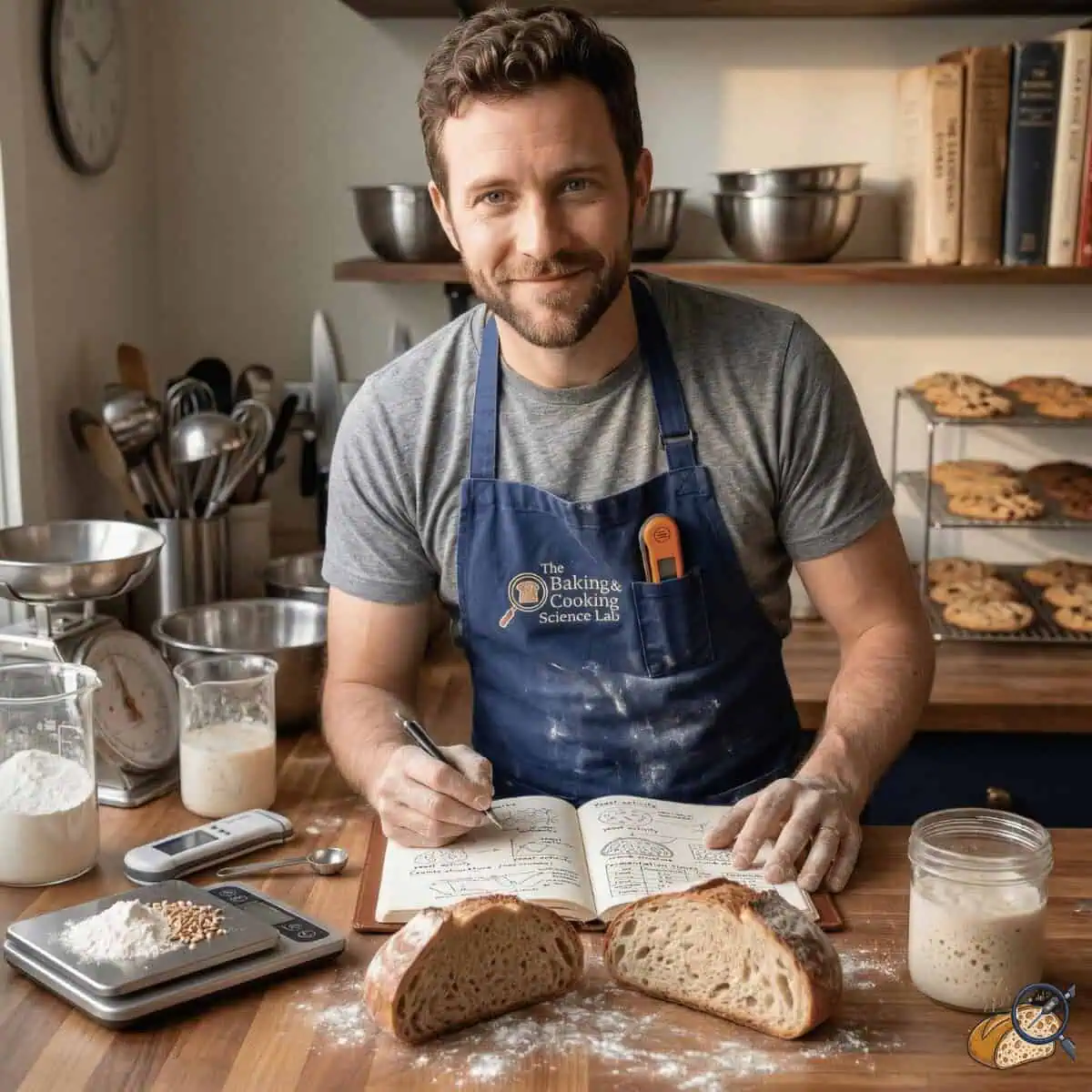
“Baking is a science, but it shouldn’t feel like an exclusive club. We built this methodology to remove the guesswork from your kitchen. By showing you the ‘why’ behind the food, we hope to give you the confidence to trust your own senses and enjoy the process.”
— Nathan & The WMM Culinary Board
Protocol validated and supervised by N. Azoumag (HACCP Certified)